The kitchen is often called the heart of the home, and for good reason—it’s where magic (and sometimes a little bit of smoke) happens. However, the greasy residue left behind after cooking, especially deep-frying or sautéing, can accumulate quickly. If left unchecked, this buildup isn't just an aesthetic issue; it can pose fire hazards, damage ventilation systems, and make your kitchen feel perpetually grimy. For Sydney homeowners, who often have busy, entertaining-heavy kitchens, knowing how to tackle this buildup is crucial. This comprehensive guide will equip you with actionable, practical steps for preventing kitchen grease buildup Sydney-style, ensuring your kitchen remains sparkling, safe, and ready for the next big meal.
Mastering Daily Habits: The First Line of Defense
The most effective way to manage grease is to never let it accumulate in the first place. Think of grease buildup like a slow-motion snowball rolling down a hill; if you tackle it daily, it never gains enough momentum to become a major problem. Simple changes in routine can make a monumental difference.

Immediate Cleanup Techniques
The moment the cooking is done, the cleanup process should begin. This isn't just about washing dishes; it's about managing the residue before it hardens.
- Wipe, Don't Soak: After cooking, wipe down stovetops and range hoods immediately with a damp cloth. Let the grime soften slightly rather than letting it bake onto the surfaces. Grease Disposal: Never pour cooking oil or grease down the sink. This is a major plumbing hazard! Allow cooled oils to solidify and scrape them into a designated container for recycling or disposal. Filter Management: If your range hood has removable filters, clean them frequently—at least every two weeks. These filters are designed to catch airborne grease, and if they get saturated, they lose efficiency and become a fire risk.
Smart Cooking Practices
Some preventative measures start before the pan even hits the heat. Are you really getting the most out of your expensive kitchen appliances? Consider optimizing your cooking methods.

- Embrace Non-Stick: When possible, use high-quality non-stick cookware. While nothing is foolproof, they significantly reduce the need for excess oil, thus reducing grease buildup. The Importance of Ventilation: Never underestimate the power of proper ventilation. Always run your range hood at the highest setting while cooking, even if you think the smoke isn't thick enough to warrant it. The hood acts as your kitchen's lungs.
Deep Cleaning Strategies for Sydney Kitchens
While daily habits are paramount, periodic deep cleaning is necessary to tackle the grease that has taken root. This is where many people get overwhelmed, feeling like they need industrial-strength chemicals. But sometimes, a bit of elbow grease and the right natural solutions are all you Find out more need.
Natural and DIY Solutions
You don't need a chemistry degree to tackle grease. Several common household items work wonders.
- Baking Soda Paste: For stubborn stains on ceramic or porcelain, a paste of baking soda and water works like magic, gently lifting the grime without scratching the surface. Vinegar Steam: Running a pot of water mixed with a few tablespoons of distilled white vinegar and lemon peels on the stove (and letting it steam for 15 minutes) can loosen mineral deposits and grease residue in the vents and surrounding surfaces. The Power of Soap: A mixture of dish soap and hot water, applied with a scrubbing brush, can cut through hardened buildup on stovetops and backsplash areas.
Understanding Ventilation Systems
The ventilation system is the unsung hero of your kitchen, but it’s also the most vulnerable spot for grease.
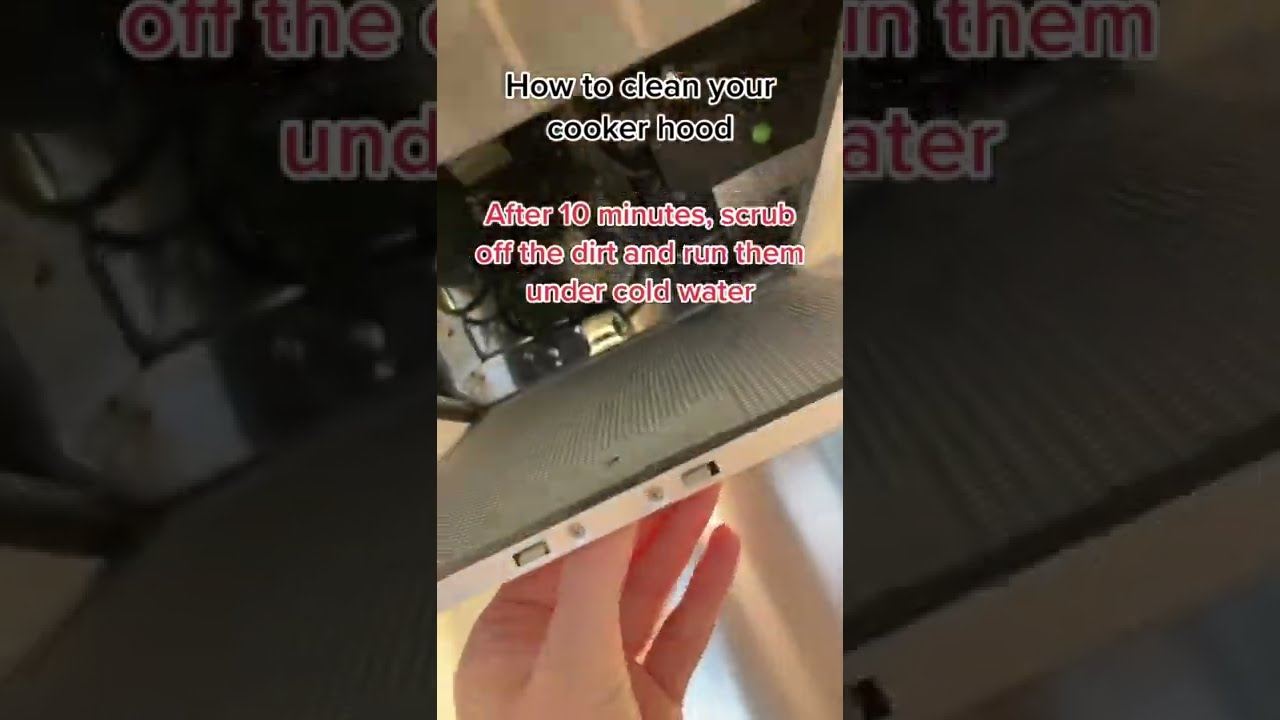
- Filter Deep Dive: Beyond simple wiping, grease filters often require soaking. Remove the filters and soak them overnight in a mixture of hot water, dish soap, and a cup of white vinegar. This allows the chemical reaction to break down the tough, polymerized grease. Ductwork Inspection: If you suspect the grease is building up inside the ductwork (which is invisible), professional inspection is recommended. Trying to navigate the internal ducts with a vacuum cleaner is usually ineffective and can be dangerous.
Maintaining Safety and Longevity
Preventing grease buildup isn't just about cleanliness; it's fundamentally about safety. A greasy ventilation system is a prime fuel source for a kitchen fire.
Regular Maintenance Schedule
To keep your kitchen running smoothly and safely, integrate these tasks into your routine:
- Weekly: Wipe down all cooktop surfaces and clean visible grease splatters. Monthly: Deep clean and soak all range hood filters. Quarterly: Inspect the under-sink area and the connections to ensure no grease or grime has migrated into plumbing fixtures. Annually: Schedule a professional inspection of the entire ventilation system, especially if you are upgrading or moving into a property in Sydney.
Remember, preventative care is always cheaper and less stressful than emergency remediation. As one local Sydney plumber once advised, "The best cleanup job is the one that never has to be done."
Rethinking Your Kitchen Flow
Making your kitchen a functional masterpiece also involves keeping the grease problem at bay. If your layout forces you to cook in a way that splashes oil everywhere, perhaps a slight adjustment in workflow—like moving the prep area closer to the stove—could help. What small changes can you implement today to make a big difference in the long run?
Future-Proofing Your Culinary Space
Taking proactive steps to preventing kitchen grease buildup Sydney homes will enjoy for years. It’s a combination of mindful habits, smart cleaning tools, and a commitment to regular maintenance. By treating your kitchen’s grease buildup not as an inevitable consequence of cooking, but as a manageable byproduct, you can keep your space safe, beautiful, and smelling delicious—not smoky! Start small, commit to the daily wipe-down, and watch the accumulation issues vanish. Your sparkling, safe kitchen awaits!