The aroma of a successful commercial kitchen is often intoxicating—a symphony of sizzling fats, spices, and fresh ingredients. However, beneath the culinary magic lies a silent, volatile threat: grease buildup. This accumulated grime, often invisible to the casual observer, can transform a bustling, profitable workspace into an extremely dangerous environment. Proper maintenance is not merely a suggestion; it is a critical operational necessity. Understanding the complexities of commercial kitchen fire hazard mitigation rangehood cleaning is the difference between a smooth service day and a catastrophic emergency. This comprehensive guide will walk you through why this cleaning process is so vital, what steps are involved, and how expert care keeps your operation running safely and efficiently.
Why Grease Buildup is a Serious Operational Risk
Grease is, quite literally, the enemy of commercial kitchen safety. When it mixes with airborne particulate matter—the smoke, steam, and cooking vapors—it creates a highly flammable, combustible sludge. Over time, this buildup accumulates in rangehood filters, ductwork, and ventilation systems, creating a perfect tinderbox waiting for an ignition source. Ignoring this buildup is like stacking matches next to a faulty wiring panel; the potential for disaster is immediate and severe.
The Chemistry of Combustibility
Understanding the science behind the risk helps demystify the process. Grease, which is primarily composed of triglycerides, has a relatively low flash point when mixed with other cooking residues. When heat sources (like high-powered burners or overheated electric elements) encounter this saturated grease layer, it can ignite rapidly.

- Ignition Source: Open flames, hot surfaces, or even static electricity can provide enough energy. Fuel: The accumulated grease and carbonized residue. Result: A rapid-spreading grease fire that can quickly overwhelm standard suppression systems if the source of the fuel is not controlled.
Beyond the Fire: Efficiency and Longevity
The threat isn't just confined to fire. A clogged rangehood system is also a massive operational drain. When filters and ductwork are choked with grime, the ventilation system has to work harder. This increased strain leads to:
Reduced Airflow: Kitchens become overheated, impacting employee comfort and food quality. System Failure: Motors and blowers can overheat and fail prematurely, leading to costly downtime. Energy Waste: Running an inefficient HVAC system dramatically increases utility costs.The Deep Dive: Commercial Kitchen Fire Hazard Mitigation Rangehood Cleaning
Effective mitigation requires more than just a simple wipe-down; it requires a methodical, industrial-grade cleaning process designed to tackle deep-seated residue. When addressing commercial kitchen fire hazard mitigation rangehood cleaning, professionals must approach the system as a comprehensive unit, not just a series of filters.
The Comprehensive Cleaning Process
A proper cleaning protocol involves several distinct stages, each requiring specialized tools and knowledge.
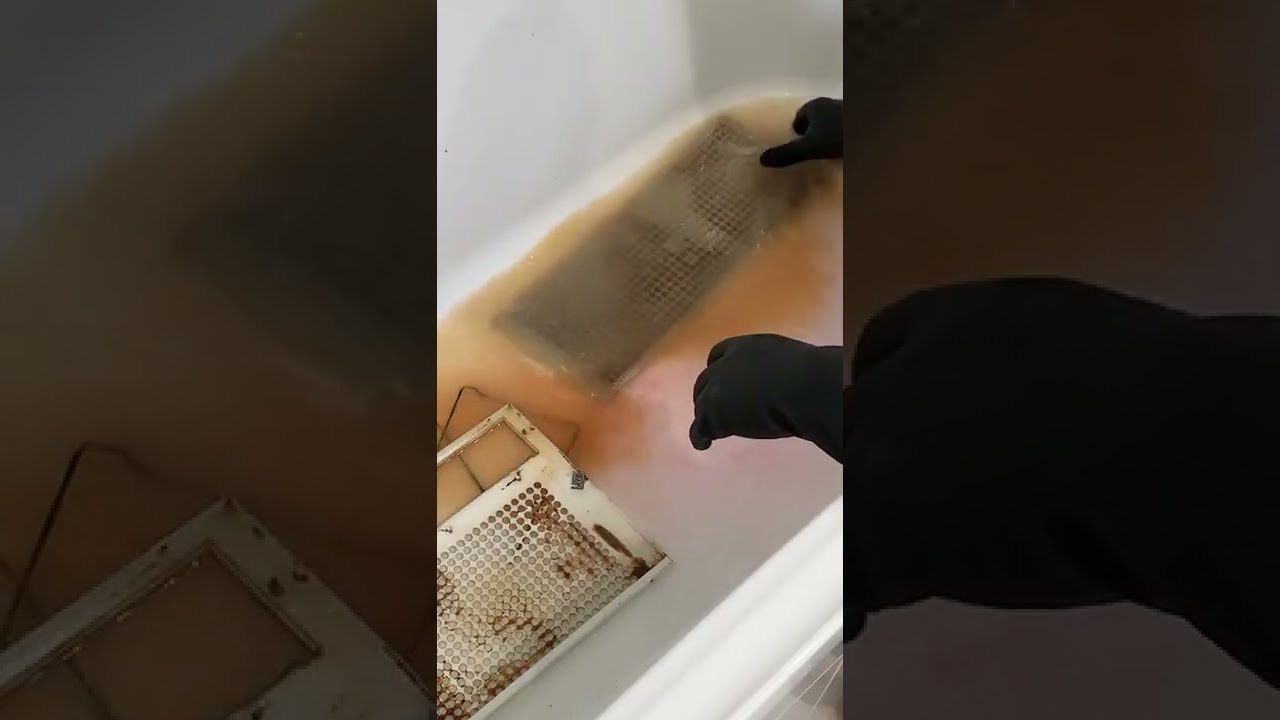
- Initial Inspection: The process begins with a thorough visual inspection to pinpoint areas of heavy buildup, checking for signs of corrosion or structural damage in the ductwork. Filter Removal and Degreasing: Filters are removed and subjected to powerful degreasers and high-pressure washing. This step is crucial for removing the bulk of the surface grease. Ductwork Cleaning (The Core Task): This is often the most overlooked but most critical step. Specialized vacuum systems and rotating brushes are used to clean the internal ductwork, reaching areas that standard cleaning cannot touch. This ensures that the fuel source is completely eliminated. System Testing: After cleaning, the system must be tested under operational load to ensure optimal airflow and that all components are functioning correctly.
Anecdote: I once visited a high-volume bistro kitchen where the owner had been relying on an internal staff member for basic cleaning. The ductwork was so heavily saturated with polymerized grease that when the professional crew used their vacuum, the residue came out in a thick, black sludge—a truly intimidating sight that made the severity of the hazard immediately clear.
Selecting the Right Professionals
This task is not a DIY job. Attempting to clean commercial exhaust systems without proper training and equipment is akin to trying to wrestle an alligator with a garden hose. You need experts who understand the specific metallurgy of kitchen equipment, the chemistry of grease, and the strict local codes governing ventilation systems.
Do you really want your kitchen safety to be left to chance? Hiring trained professionals ensures that the job is done to code, providing you with peace of mind that money simply cannot buy.

Maintaining Safety Beyond the Deep Clean
While professional commercial kitchen fire hazard mitigation rangehood cleaning is the proactive defense, daily and weekly maintenance acts as the shield. It keeps the residual buildup from escalating into a crisis.
Daily Operational Habits
Simple changes in daily routine can make a massive difference. Encourage staff to:
- Scrape Surfaces: Clean fryers and stovetops immediately after use. Filter Pre-Cleaning: While professional deep cleaning handles the ductwork, staff should be responsible for regularly washing the removable filters. Grease Management: Utilize proper ventilation controls and minimize open flame use where possible.
The Importance of Preventative Maintenance
The best way to deal with a fire hazard is to ensure it never exists. A preventative maintenance schedule should include:
- Quarterly Filter Washing: Keeps the immediate source of ignition away from the main system. Annual Deep Cleaning: This is where the comprehensive commercial kitchen fire hazard mitigation rangehood cleaning occurs, tackling the internal, structural buildup.
“An ounce of prevention is worth a pound of cure.” This quote couldn't be truer when discussing fire safety.
Building a Culture of Safety
Ultimately, fire safety is not just about machines and chemicals; it's about culture. The kitchen staff must be educated and empowered to be the first line of defense. Regular safety briefings, mandatory training on fire extinguisher use, and clear protocols for reporting leaks or unusual buildup are non-negotiable components of a safe operation.
By treating your ventilation system not as a utility, but as a critical safety asset, you demonstrate a commitment to your staff, https://claytonzkjr257.theglensecret.com/the-essential-guide-to-professional-rangehood-cleaning-and-grease-removal-cbd-sydney-services-1 your customers, and your business continuity.
To ensure your kitchen remains a hub of culinary creativity rather than a hazard zone, integrating expert, scheduled cleaning is the most crucial investment you can make. Don't wait for an inspection failure or, worse, a fire. Proactive care is the only way to keep the heat on—safely.